
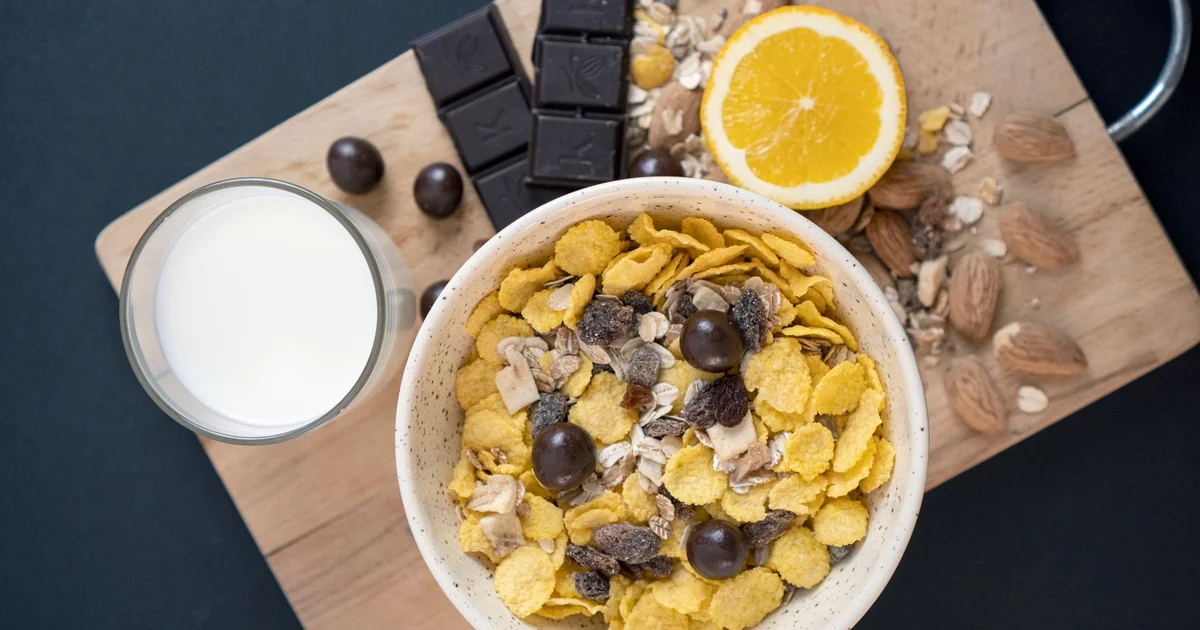
Natural Stamina And Endurance
Explore natural, sustainable ways to support stamina and endurance—from sleep and hydration to traditional ingredients like honey and bee pollen.
Ever hit that mid-afternoon wall where your energy just evaporates, or found yourself gasping halfway through a workout you used to breeze through? You're not alone. Modern life—packed with stress, poor sleep, and rushed meals—takes a real toll on our natural stamina and endurance. The good news? Supporting your body's energy systems doesn't require drastic measures. With a few intentional lifestyle shifts and time-tested natural ingredients, you can help your body build lasting vitality from the inside out.
What Affects Your Natural Stamina and Endurance?
Stamina and endurance aren't just about physical fitness—they're influenced by a complex mix of factors including sleep quality, nutrition, hydration, stress levels, and even gut health. When any of these areas fall out of balance, it can leave you feeling sluggish and depleted well before your day is done.
Some of the most common culprits behind low energy include:
- Poor sleep quality — Inadequate rest disrupts the body's natural recovery and energy-replenishing processes.
- Nutrient gaps — Diets low in B vitamins, iron, or magnesium may contribute to feelings of fatigue.
- Chronic stress — Ongoing stress can tax the adrenal system, which plays a role in regulating energy levels.
- Dehydration — Even mild fluid loss can affect focus and physical performance.
- Sedentary habits — Ironically, a lack of movement can make you feel more tired, not less.
Understanding these root causes is the first step toward building sustainable energy—rather than relying on quick fixes like caffeine or sugar, which often lead to energy crashes later on.
Natural Habits That May Support Stamina and Endurance
Building endurance is a gradual process that responds well to consistency. Here are some evidence-informed habits that may help support your body's natural energy production over time:
- Prioritize quality sleep. Aim for 7–9 hours per night. Deep sleep is when your body performs much of its cellular repair and energy restoration.
- Stay consistently hydrated. Water plays a critical role in nutrient transport and muscle function—both essential for sustained energy.
- Incorporate regular movement. Activities like brisk walking, swimming, or cycling can gradually improve cardiovascular efficiency, which supports better endurance over time.
- Practice stress-reducing techniques. Mindfulness, deep breathing, or gentle yoga may help regulate the body's stress response, which in turn may support steadier energy levels.
- Eat balanced, whole-food meals. Complex carbohydrates, healthy fats, and lean proteins provide a more stable energy release than processed, sugar-heavy foods.
Small, consistent changes often yield better long-term results than dramatic overhauls. Individual results may vary, but many people find that layering these habits together creates a noticeable shift in their overall vitality.
The Role of Natural Ingredients in Supporting Energy
Nature offers a variety of ingredients that have been traditionally used to support energy and endurance for centuries. While no supplement can replace healthy lifestyle foundations, certain natural compounds may complement your daily wellness routine:
- Honey — A traditional source of natural carbohydrates, honey has long been used by athletes and active individuals as a source of quick, digestible energy.
- Bee pollen — Rich in amino acids, vitamins, and antioxidants, bee pollen is traditionally used to support overall vitality and nutrient intake.
- Ginseng — This adaptogenic root has a long history of traditional use in supporting energy levels and the body's response to physical stress.
- Maca root — Popular in traditional Andean wellness practices, maca is often associated with supporting stamina and overall resilience.
- B-vitamin complexes — These play a foundational role in how your body converts food into usable energy.
When choosing natural supplements, look for high-quality, minimally processed sources. Raw and unfiltered honey, for example, retains more of its naturally occurring enzymes and nutrients compared to heavily processed varieties.
Practical Tips to Build Endurance Gradually
If you're looking to improve your stamina in a sustainable way, consider these actionable strategies:
- Start your morning with a balanced breakfast that includes protein, fiber, and natural sugars—like a bowl of oats topped with a drizzle of raw honey and fresh fruit.
- Break exercise into manageable increments. Even 10–15 minute walks throughout the day can add up and support cardiovascular health.
- Keep a consistent sleep schedule, even on weekends, to help regulate your body's internal clock.
- Snack smart—opt for energy-supporting combinations like nuts, seeds, and honey instead of sugary processed snacks.
- Track your energy patterns in a journal to identify what habits or foods correlate with your best (and worst) days.
Remember, building natural stamina is a marathon, not a sprint. Consistency, patience, and a holistic approach to wellness tend to produce the most meaningful, lasting results.
Bringing It All Together
Supporting your natural stamina and endurance doesn't have to mean relying on artificial stimulants or quick fixes. By focusing on foundational habits—quality sleep, hydration, balanced nutrition, and stress management—you give your body what it needs to function at its best. Time-honored natural ingredients like honey, bee pollen, and adaptogenic herbs can serve as thoughtful additions to a well-rounded wellness routine.
If you're ready to take a more natural approach to supporting your everyday energy, we invite you to explore Elevatme's collection of premium honey and bee product supplements, thoughtfully sourced to complement your active lifestyle.
These statements have not been evaluated by the Food and Drug Administration. This product is not intended to diagnose, treat, cure, or prevent any disease. Consult your healthcare provider before starting any supplement regimen.
Enjoyed this article?
Share it with others who might find it helpful.