
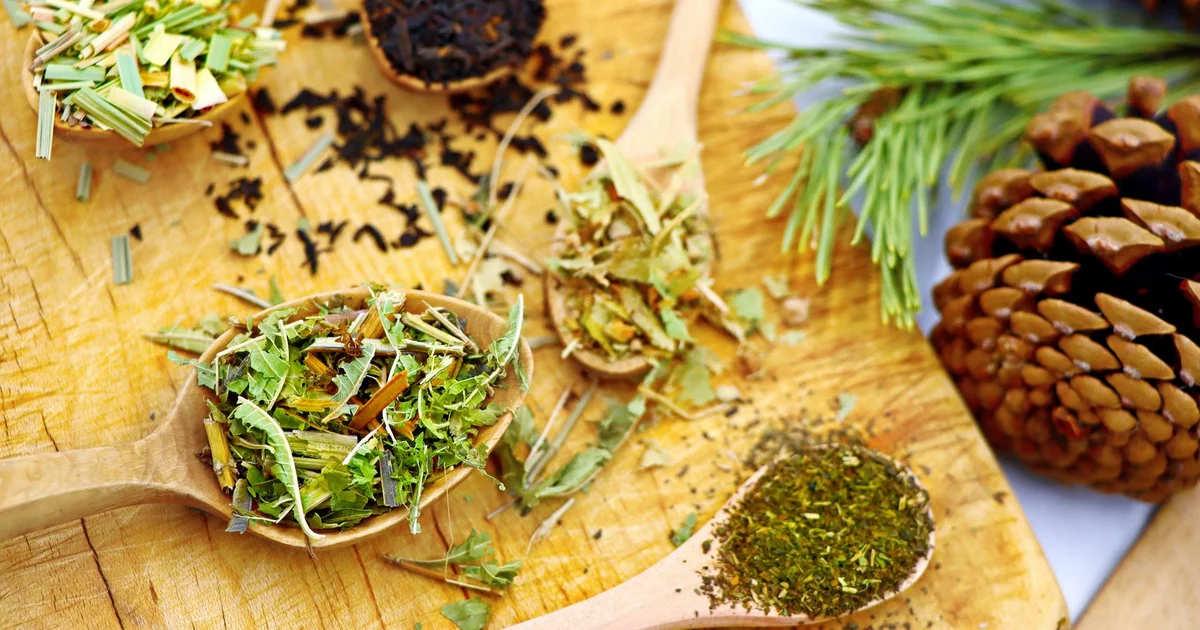
Herbal Tea Benefits Varieties
Explore herbal tea benefits varieties for natural wellness. From chamomile to ginger, discover how different herbal teas can support your daily health routine with traditional wisdom and modern insights.
Imagine starting your day with a warm, aromatic cup that not only awakens your senses but also nurtures your body from within. Herbal tea benefits varieties offer a natural pathway to wellness that has been cherished across cultures for thousands of years. Unlike traditional teas that come from the Camellia sinensis plant, herbal teas are crafted from a diverse array of flowers, leaves, roots, and spices, each bringing unique properties and flavors to your wellness routine.
From the gentle calm of chamomile to the invigorating warmth of ginger, herbal teas provide a simple yet powerful way to support your daily wellness goals. Whether you're seeking a moment of tranquility after a busy day or looking to incorporate more mindful practices into your routine, the world of herbal teas offers something for every palate and purpose.
Popular Herbal Tea Varieties and Their Traditional Uses
The diversity of herbal teas available today reflects centuries of traditional wisdom passed down through generations. Each variety brings its own distinct character and has been traditionally valued for different wellness purposes.
Chamomile stands as one of the most beloved herbal teas worldwide. This gentle flower has been traditionally used to promote relaxation and support peaceful evening routines. Research suggests that chamomile may contain compounds called flavonoids, which have been studied for their calming properties. Many people find that a warm cup of chamomile tea before bedtime helps them unwind and prepare for restful sleep.
Peppermint tea offers a refreshing and cooling experience that has been traditionally valued for digestive comfort. The menthol in peppermint leaves may support healthy digestion and provide a soothing sensation. This versatile tea can be enjoyed hot or cold and makes an excellent after-meal beverage.
Ginger tea brings warming properties that have been cherished in traditional wellness practices for centuries. Studies indicate that ginger may support digestive wellness and provide comfort during seasonal changes. The spicy, warming nature of ginger makes it particularly appealing during cooler months.
Echinacea tea has been traditionally used by Indigenous communities for its potential immune-supporting properties. While research on echinacea continues, many people incorporate this purple flower into their seasonal wellness routines as a proactive approach to maintaining health.
Maximizing Your Herbal Tea Experience
Getting the most from your herbal tea practice involves more than simply steeping leaves in hot water. The quality of your ingredients, brewing techniques, and timing all play important roles in creating an optimal experience.
Quality matters significantly when selecting herbal teas. Look for organic, whole-leaf varieties when possible, as these tend to retain more of their natural compounds and flavors. Store your teas in airtight containers away from light and moisture to preserve their potency and taste.
Brewing techniques can dramatically impact both flavor and potential benefits. Most herbal teas benefit from water heated to just below boiling (around 200°F) and steeping times of 5-10 minutes. However, delicate flowers like chamomile may require shorter steeping times, while tougher roots like ginger may benefit from longer extraction periods.
Consider creating herbal tea blends to combine different properties and flavors. For example, mixing chamomile with lavender may enhance relaxation benefits, while combining ginger with lemon balm creates a warming yet soothing blend perfect for digestive comfort.
Timing your tea consumption can also optimize its effects. Caffeinated herbal blends work well in the morning, while calming varieties like chamomile or passionflower are ideal for evening routines. Some people find that drinking herbal teas 30 minutes before meals may support healthy digestion.
Incorporating Herbal Teas into Your Daily Wellness Routine
Making herbal teas a consistent part of your wellness practice requires thoughtful integration into your existing habits. The key is finding ways to make tea drinking both enjoyable and sustainable.
Start by identifying specific times in your day when a warm, comforting beverage would be most welcome. Many people find success with a morning energizing blend, an afternoon digestive tea, and an evening relaxation variety. This approach creates natural anchors throughout your day while supporting different wellness goals.
Meal pairing offers another effective strategy for incorporating herbal teas. Light, floral teas like hibiscus complement breakfast fruits, while earthy varieties like dandelion root pair well with heartier meals. Digestive teas such as fennel or peppermint work particularly well after rich or heavy foods.
Consider the seasonal nature of different herbs to align your tea choices with natural cycles. Cooling teas like peppermint and hibiscus feel refreshing during warmer months, while warming varieties like cinnamon, ginger, and clove provide comfort during colder seasons.
Keep a tea journal to track which varieties you enjoy most and how different teas affect your mood, energy levels, and overall sense of well-being. This practice helps you identify patterns and customize your herbal tea routine to match your individual needs and preferences.
Building Your Herbal Tea Collection Mindfully
Creating a well-rounded herbal tea collection allows you to address different wellness needs throughout the day and across seasons. Start with a few foundational varieties before expanding to more specialized blends.
Begin with versatile, gentle options like chamomile, peppermint, and ginger. These three varieties cover relaxation, digestive comfort, and warming properties respectively, providing a solid foundation for most daily needs. Once comfortable with these basics, gradually introduce more specialized teas based on your specific wellness goals.
Quality sourcing becomes increasingly important as you expand your collection. Look for suppliers who provide detailed information about their herbs' origins, harvesting methods, and processing techniques. Organic certification helps ensure your teas are free from synthetic pesticides and chemicals.
Consider exploring traditional tea cultures from around the world. Ayurvedic blends often combine multiple herbs for synergistic effects, while Traditional Chinese Medicine approaches tea blending with careful attention to energetic properties. These time-tested combinations offer wisdom accumulated over thousands of years of use.
Remember that individual responses to herbal teas can vary significantly. What works wonderfully for one person may not suit another, so approach building your collection as a personal journey of discovery rather than following rigid recommendations.
The world of herbal tea benefits varieties offers an accessible, enjoyable path toward supporting your daily wellness goals. By understanding the traditional uses of different herbs, optimizing your brewing techniques, and mindfully incorporating these natural beverages into your routine, you can create a sustainable practice that nourishes both body and spirit. As you explore the diverse flavors and properties available, consider seeking out high-quality, natural wellness products that align with your commitment to holistic health. Your journey toward greater well-being may be just a warm, fragrant cup away.
*These statements have not been evaluated by the Food and Drug Administration. This product is not intended to diagnose, treat, cure, or prevent any disease. Consult your healthcare provider before starting any supplement regimen.*
Enjoyed this article?
Share it with others who might find it helpful.