
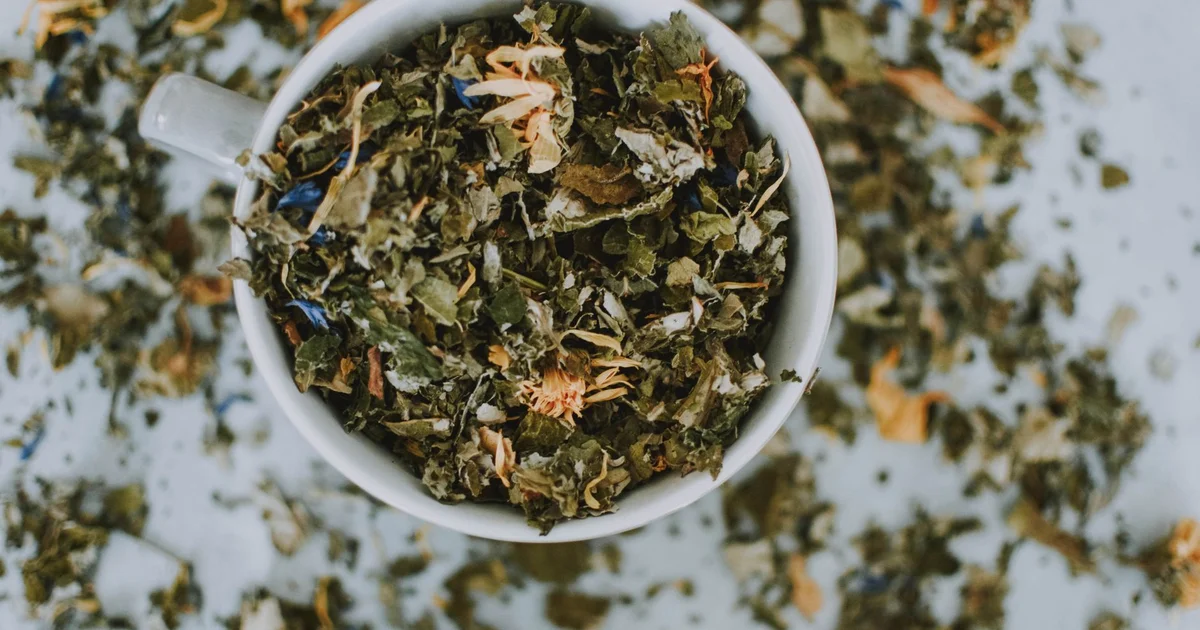
Herbal Supplements Beginner Guide
A practical beginner's guide to herbal supplements—covering quality tips, getting started safely, and building a sustainable natural wellness routine.
Walk into any wellness store today and you'll find shelves lined with tinctures, capsules, powders, and teas—each promising to support a different aspect of your health. It's exciting, but let's be honest: it's also a little overwhelming. If you've ever stood in front of a supplement display feeling more confused than empowered, you're not alone. This herbal supplements beginner guide is designed to help you cut through the noise and start your natural wellness journey with confidence, clarity, and a healthy dose of common sense.
Herbal supplements have been part of human wellness traditions for thousands of years, long before modern medicine cabinets existed. From honey-based remedies used in ancient Egypt to herbal teas passed down through generations, plants and natural compounds have always played a role in how people care for their bodies. Today, science is catching up, offering research that helps us understand *why* these traditional practices may support wellness. Let's explore how to get started the right way.
What Exactly Are Herbal Supplements?
Herbal supplements are products derived from plants, flowers, roots, bark, or other botanical sources. They come in many forms, including capsules, powders, liquid extracts, and even natural foods like honey or bee pollen. Unlike pharmaceutical drugs, herbal supplements are not intended to diagnose, treat, or supports medical conditions. Instead, many people use them as part of a broader wellness routine to support overall balance and vitality.
Some of the most well-known herbal supplements include:
- Ashwagandha — traditionally used to support the body's response to daily stress
- Turmeric — often used for its antioxidant properties
- Elderberry — a popular choice for seasonal wellness support
- Bee products like honey and propolis — traditionally used to support energy and overall wellness
Understanding what each herb or natural compound is traditionally used for is the first step toward building a supplement routine that aligns with your personal wellness goals.
How to Choose Quality Herbal Supplements
Not all supplements are created equal, and as a beginner, knowing what to look for can save you time, money, and disappointment. Here are a few practical tips to guide your decision-making:
- Check the ingredient list. Look for products with minimal fillers, artificial additives, or unnecessary preservatives.
- Research the source. Where are the herbs grown or harvested? Reputable brands are often transparent about sourcing.
- Look for third-party testing. Independent lab testing can help verify purity and potency.
- Start with reputable brands. Established wellness companies typically have clearer labeling and better manufacturing practices.
- Avoid products making big promises. If a label uses words like "miracle" or "individual results may vary," that's a red flag rather than reassurance.
Remember: quality matters more than quantity. A single well-sourced supplement is often more beneficial than a cabinet full of low-quality options.
Getting Started: Practical Tips for Beginners
Once you've done your research, it's time to actually incorporate herbal supplements into your daily routine. Here's how to do it thoughtfully:
- Start slow. Introduce one new supplement at a time so you can observe how your body responds.
- Be consistent. Many herbal supplements work gradually. Some people find that benefits become more noticeable after weeks of regular use, not days.
- Pay attention to timing. Some supplements are best taken with food, while others may be more effective on an empty stomach. Always follow label instructions.
- Keep a simple journal. Note how you feel, your energy levels, and any changes you notice. This can help you and your healthcare provider evaluate what's working.
- Talk to your healthcare provider first. This is especially important if you're pregnant, nursing, managing a health condition, or taking medications, since some herbs can interact with prescription drugs.
Natural doesn't automatically mean risk-free. Even gentle, traditional ingredients like honey or herbal extracts can interact with certain medications or health conditions, which is why professional guidance is always recommended before starting anything new.
Building a Sustainable Wellness Routine
The most successful herbal supplement users aren't the ones chasing the latest trending product—they're the ones who build a thoughtful, sustainable routine over time. Rather than viewing supplements as quick fixes, consider them as one piece of a larger wellness lifestyle that includes:
- Balanced nutrition and whole foods
- Regular movement and physical activity
- Adequate hydration
- Quality sleep
- Stress management practices like mindfulness or journaling
Herbal supplements can complement these habits, but they work best as part of a holistic approach rather than a standalone solution. Research suggests that consistency and patience often play a bigger role in long-term wellness outcomes than any single product.
Your Next Step Toward Natural Wellness
Starting your herbal supplement journey doesn't have to feel overwhelming. By learning the basics, choosing quality products, and listening to your body, you can build a routine that feels both intentional and sustainable. Every wellness journey looks different, and individual results may vary—so give yourself grace as you explore what works best for you.
If you're ready to explore premium, thoughtfully sourced options, we invite you to explore natural wellness options from Elevatme's collection of herbal supplements and bee-based wellness products. Our goal is to support your journey with quality ingredients and honest, educational guidance every step of the way.
These statements have not been evaluated by the Food and Drug Administration. This product is not intended to diagnose, treat, cure, or prevent any disease. Consult your healthcare provider before starting any supplement regimen.
Enjoyed this article?
Share it with others who might find it helpful.