
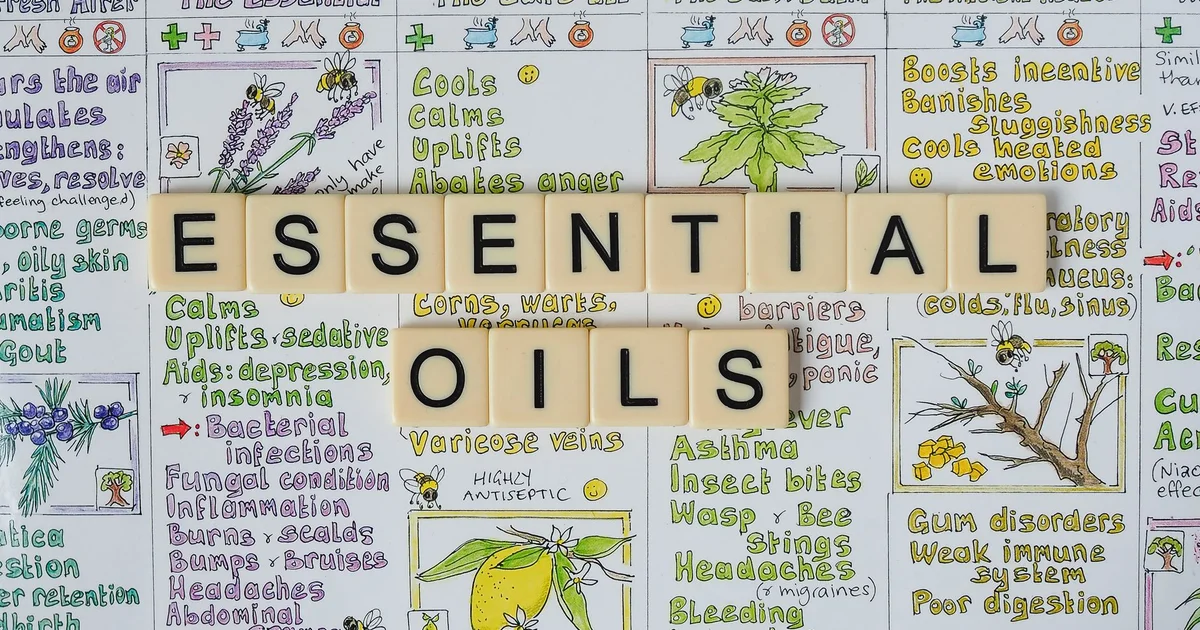
Aromatherapy Essential Oils Guide
A beginner-friendly aromatherapy essential oils guide covering popular oils, safe usage methods, and easy daily rituals to support natural wellness.
There's a reason the scent of lavender drifting through a room can make your shoulders drop and your breath slow down. Our sense of smell is wired directly to the brain's limbic system, the seat of emotion and memory, which is part of why aromatherapy has been a cherished wellness practice for thousands of years. Whether you're brand new to essential oils or looking to deepen your practice, this aromatherapy essential oils guide will walk you through the basics, the benefits people commonly report, and how to use these fragrant plant extracts safely and effectively.
What Is Aromatherapy, Really?
Aromatherapy is the practice of using concentrated plant extracts, known as essential oils, to support overall wellness and create a calming or invigorating atmosphere. These oils are steam-distilled or cold-pressed from flowers, leaves, bark, roots, and peels, capturing the plant's natural aromatic compounds in a potent, concentrated form.
People have traditionally used aromatherapy as part of relaxation rituals, mindfulness practices, and daily self-care routines. While research into essential oils is still evolving, some studies suggest that certain scents may support feelings of calm and help create a more balanced mood. As always, aromatherapy is best viewed as a complementary wellness practice rather than a substitute for medical care.
Getting to Know the Most Popular Essential Oils
If you're just starting out, it helps to become familiar with a few versatile, beginner-friendly oils before building out a larger collection. Here are some of the most popular options and what people commonly use them for:
- Lavender: Widely used to support relaxation and a sense of calm, especially in evening routines.
- Peppermint: Known for its cooling, invigorating aroma, often used to support alertness and easy breathing.
- Lemon: A bright, uplifting citrus scent that many people use to freshen a space and support a positive mood.
- Eucalyptus: Frequently used in steam or diffuser blends to support easy breathing, especially during seasonal changes.
- Tea Tree: Valued for its fresh, herbal scent and its traditional use in skin care routines and household cleaning blends.
- Chamomile: Gentle and soothing, often used to support relaxation before bedtime.
Starting with a small "starter set" of three or four oils is a practical way to explore what resonates with you before investing in a larger collection.
How to Use Essential Oils Safely and Effectively
Essential oils are potent, so a little goes a long way. Here are some practical tips for incorporating them into your daily wellness routine:
- Diffusing: Add 3–5 drops of your chosen oil to a water-based diffuser to gently scent a room. This is one of the easiest and most popular ways to enjoy aromatherapy.
- Topical application: Essential oils should always be diluted in a carrier oil (like jojoba, sweet almond, or coconut oil) before applying to the skin. A common dilution ratio is about 2–3 drops of essential oil per teaspoon of carrier oil.
- Inhalation: Place a drop or two on a tissue or cotton ball and inhale deeply, or add a few drops to a bowl of steaming water for a quick aromatic boost.
- Bath soaks: Combine a few drops with a dispersing agent like Epsom salt or unscented bath oil before adding to bathwater, since essential oils don't mix with water on their own.
- Room sprays: Mix essential oils with water and a splash of witch hazel or alcohol in a spray bottle for an easy linen or room freshener.
A few important safety notes: always perform a patch test before applying a new oil to your skin, keep essential oils away from your eyes and mucous membranes, and store them out of reach of children and pets. Certain oils are not recommended during pregnancy or for use around young children and pets, so it's wise to research each oil individually and consult your healthcare provider if you have any concerns, especially if you're pregnant, nursing, or managing a health condition.
Building a Simple Aromatherapy Routine
You don't need a complicated setup to enjoy the benefits many people associate with aromatherapy. Consider building small rituals into your day:
- Morning: Diffuse citrus oils like lemon or sweet orange to support an energized, positive start to the day.
- Midday: Keep a rollerball blend of peppermint and diluted carrier oil at your desk for a quick refresh during an afternoon slump.
- Evening: Wind down with a lavender or chamomile diffuser blend as part of a calming bedtime routine, paired with dim lighting and a warm cup of herbal tea.
Consistency tends to matter more than complexity. A simple, repeatable routine you actually enjoy is far more valuable than an elaborate collection of oils gathering dust on a shelf.
Bringing It All Together
Aromatherapy offers a natural, sensory-rich way to support your everyday wellness rituals, whether you're looking to unwind after a long day, create an uplifting atmosphere at home, or simply enjoy the grounding power of nature's scents. Like any wellness practice, individual results may vary, and it's worth taking time to notice which oils and rituals feel right for you.
If you're ready to explore high-quality, thoughtfully sourced botanical wellness products, we invite you to explore natural wellness options from Elevatme's curated collection of herbal supplements and bee-derived products, designed to complement a holistic, nature-inspired lifestyle.
These statements have not been evaluated by the Food and Drug Administration. This product is not intended to diagnose, treat, cure, or prevent any disease. Consult your healthcare provider before starting any supplement regimen.
Enjoyed this article?
Share it with others who might find it helpful.